If you’re trying to lose weight, the hardest part is often not starting—it’s choosing a plan you can keep up with after the first week. The best option is usually not the strictest one, but the one that fits your schedule, food preferences, budget, and support needs. That matters because a plan that feels manageable is more likely to become a habit instead of a short-term project.
Before you commit to a program, it helps to compare a few basics: how much structure it gives you, how much food you can actually eat, whether it matches your routine, and whether it supports steady behavior change. Here’s a practical way to sort through the choices.
Start with the kind of structure you need
Some people do best with clear rules and a set meal plan. Others feel boxed in by too much structure and do better with simple guidelines. Neither approach is automatically better; the right fit depends on how you make decisions and how much time you have.
Ask yourself:
- Do I want exact meals and portions, or broad guidance?
- Will I follow a plan that asks me to track every bite?
- Do I need a program that tells me what to eat, or one that teaches me how to build meals?
If you know you dislike strict rules, a rigid plan may be hard to maintain. If you like clear direction, a loose approach may feel frustrating. Matching the level of structure to your personality can make a big difference in long-term follow-through.
Compare food rules and flexibility
Weight loss plans vary widely in what they allow. Some limit carbs, some focus on calorie ranges, and some emphasize portion control or meal timing. When comparing options, look beyond the headline and ask how the rules will play out in your daily life.

Good questions to ask
- Can I eat foods my household already buys?
- Does the plan work when I eat out or travel?
- Will I have to cook separate meals from everyone else?
- Are there realistic choices for busy weekdays?
A plan that only works in ideal conditions may be tough to sustain. The more flexible it is, the easier it may be to adjust for holidays, work events, and unpredictable schedules. That flexibility is especially important if you’re trying to build habits that last beyond the initial weight loss phase.
Look at support, not just rules
Many people focus on the food side of a plan and overlook the support side. But coaching, reminders, community groups, and check-ins can matter just as much as meal structure. Support can help with accountability, problem-solving, and motivation when progress slows.
Think about the kind of support you actually use:
- Self-directed tools: good if you prefer independence and already know how to stay organized
- Coaching or check-ins: helpful if you want guidance and accountability
- Group support: useful if you feel motivated by shared goals and encouragement
If a program offers features you know you won’t use, don’t let them sway your decision. On the other hand, if you tend to quit when you feel alone, support may be worth prioritizing over flashy extras.

Think about the real-life demands
Even a sensible plan can fall apart if it clashes with your routine. Before signing up, consider how much time, energy, and planning it will require on average days—not just on your best days.
For example, ask whether the plan requires:
- Frequent grocery shopping
- Meal prep every Sunday
- Tracking apps or food journals
- Special ingredients or packaged foods
- Daily exercise targets that feel unrealistic for you right now
If your schedule is already full, a plan that depends on extensive prep may create more stress than support. A better option might be one that uses simple meals, repeatable routines, and gradual changes you can keep up with.
Choose a plan that supports habits, not perfection
Many people start with an all-or-nothing mindset: follow the plan exactly or call it a failure. That approach can make weight loss feel discouraging fast. A more useful standard is whether the plan helps you make repeatable choices most of the time.
Look for a plan that makes your next good choice easier, not one that requires you to be perfect.
That may mean learning portion sizes, adding more vegetables, reducing sugary drinks, planning a few reliable breakfasts, or building in flexibility for weekends. Small, sustainable changes may not feel dramatic, but they can be easier to maintain than a highly restrictive approach.
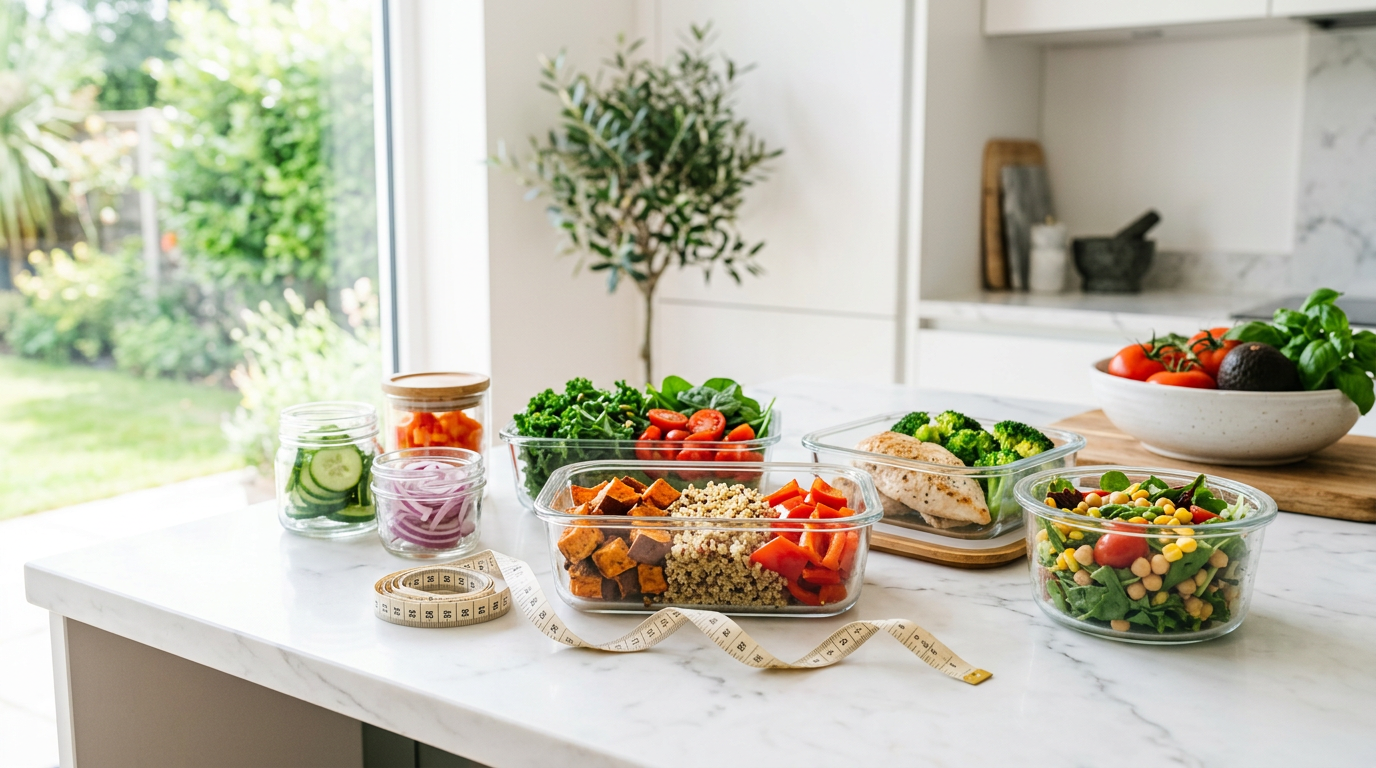
It also helps to decide what “success” means before you start. If you only judge progress by the scale, you may miss important signs that a plan is working, such as better energy, fewer decision points around meals, or more consistent routines.
A simple way to compare your options
If you’re narrowing down choices, compare them side by side using the same questions. That makes it easier to see which plan is realistic rather than just appealing in theory.
- How much structure does it provide?
- How flexible is it with your real-life meals and schedule?
- What kind of support is included?
- How much effort does it require each day?
- Can you imagine following it for several months, not just several days?
If you can answer “yes” to most of those questions, you may have found a better fit. If not, keep comparing. The goal is not to choose the most intense program—it’s to choose the one that fits your life well enough to stick with it.
Before you decide, take a closer look at a few different weight loss plans and compare their structure, flexibility, and support. The right match is often the one that feels practical enough to repeat tomorrow.

* This article was originally published here


